Blog

  • Technology: Revolutionizing Music Creation

    Technology: Revolutionizing Music Creation

    Technology has dramatically transformed the way musicians create, shape, and share their music, unlocking endless possibilities that were once unimaginable. In the past, music production was often confined to expensive studios and required highly specialized skills. Today, with the advancement of digital audio workstations (DAWs), software plugins, and home recording equipment, musicians can produce professional-quality music from virtually anywhere. This democratization of music production has opened the doors for countless independent artists to bring their ideas to life without the need for a traditional recording label or studio space.

    The tools available today allow musicians to experiment and innovate in ways never seen before. Synthesizers, drum machines, and virtual instruments offer an infinite range of sounds, enabling artists to push boundaries and blend genres. Additionally, technology allows for precise control over every element of a track, from individual instrument sounds to mixing and mastering, ensuring that the artist’s vision is fully realized.

    Sharing music has also been revolutionized by technology. With platforms like Spotify, SoundCloud, and YouTube, artists can instantly distribute their music to a global audience, bypassing traditional gatekeepers. Social media platforms have further enhanced this, providing musicians with the ability to connect with fans, share their creative process, and gain real-time feedback.

    Ultimately, technology has made music creation more accessible, efficient, and interconnected than ever before. It has empowered musicians to not only create in new and exciting ways but also to share their art with the world, making music more inclusive and dynamic than ever.

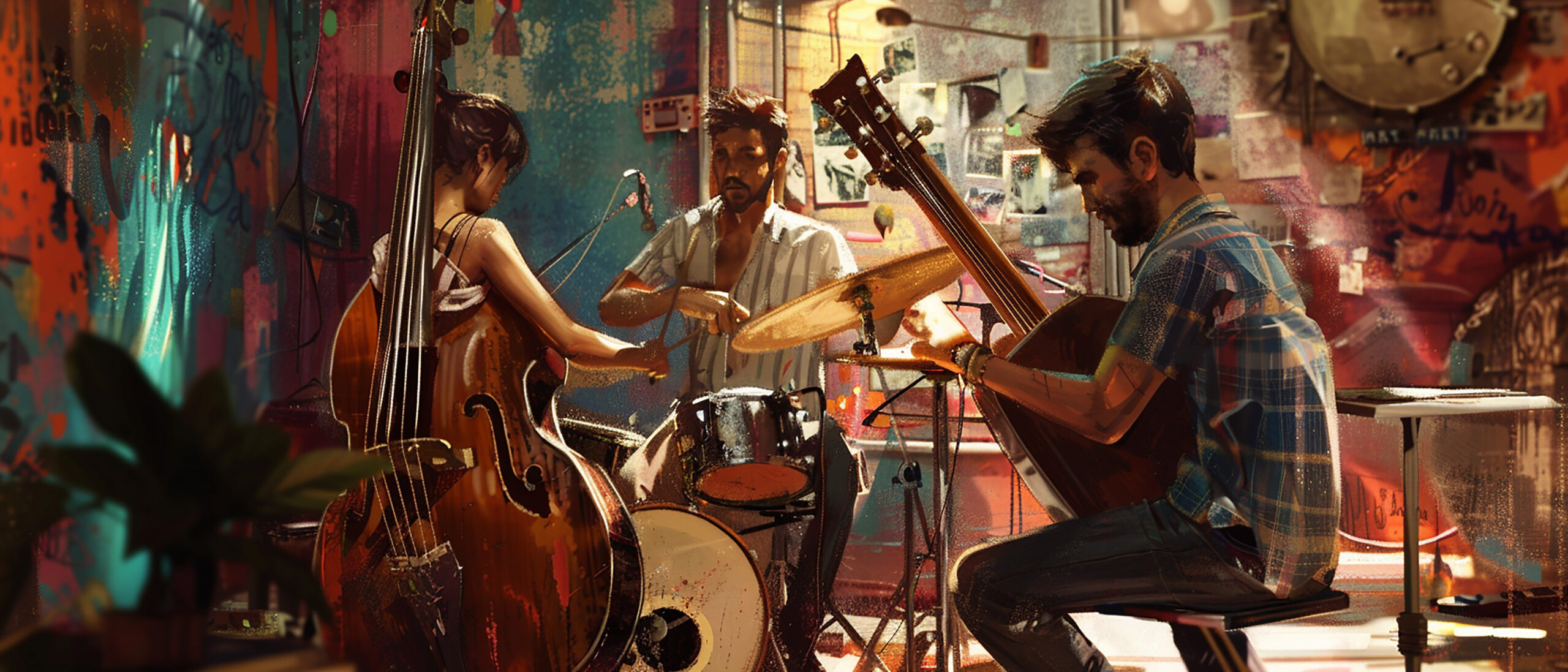
  • Technology: Revolutionizing Music Creation

    Technology: Revolutionizing Music Creation

    Technology has dramatically transformed the way musicians create, shape, and share their music, unlocking endless possibilities that were once unimaginable. In the past, music production was often confined to expensive studios and required highly specialized skills. Today, with the advancement of digital audio workstations (DAWs), software plugins, and home recording equipment, musicians can produce professional-quality music from virtually anywhere. This democratization of music production has opened the doors for countless independent artists to bring their ideas to life without the need for a traditional recording label or studio space.

    The tools available today allow musicians to experiment and innovate in ways never seen before. Synthesizers, drum machines, and virtual instruments offer an infinite range of sounds, enabling artists to push boundaries and blend genres. Additionally, technology allows for precise control over every element of a track, from individual instrument sounds to mixing and mastering, ensuring that the artist’s vision is fully realized.

    Sharing music has also been revolutionized by technology. With platforms like Spotify, SoundCloud, and YouTube, artists can instantly distribute their music to a global audience, bypassing traditional gatekeepers. Social media platforms have further enhanced this, providing musicians with the ability to connect with fans, share their creative process, and gain real-time feedback.

    Ultimately, technology has made music creation more accessible, efficient, and interconnected than ever before. It has empowered musicians to not only create in new and exciting ways but also to share their art with the world, making music more inclusive and dynamic than ever.

  • Music: The Language of Pop Culture

    Music: The Language of Pop Culture

    Pop culture is not something that is dictated solely by the media or celebrities; it is shaped by the people, reflecting their desires, struggles, and collective identity. At the heart of this cultural exchange is music, which serves as the universal language through which we express who we are. Music has always been a powerful tool for communication, transcending boundaries of language, race, and geography. It acts as a mirror, reflecting the social, political, and emotional climate of the time. Whether it’s the rebellious spirit of rock ‘n’ roll in the 60s, the rise of hip-hop as a voice for marginalized communities, or the global dominance of pop music today, music is always at the forefront of shaping and defining pop culture.

    From the clothes we wear to the slang we use, music infiltrates every aspect of our lives, influencing trends, attitudes, and values. Artists become cultural icons, and their music often serves as a soundtrack to our most defining moments. Music videos, social media platforms, and live performances further amplify this connection, turning songs into viral phenomena that can spark movements or set new standards of style and behavior.

    In this way, music is not just entertainment—it’s a powerful cultural force that reflects our collective experiences and shapes our understanding of the world. It is, and always will be, the language through which we speak to each other, share our stories, and ultimately define who we are as a society.

  • Music is a reflection of culture and history

    Music is a reflection of culture and history

    Music has always been more than just sound; it is a mirror that reflects the culture and history of the people who create it. Throughout time, music has served as a vehicle for expressing societal values, struggles, and triumphs, providing insight into the human experience. Each era, region, and community has its own unique sound that encapsulates its history and cultural identity. For instance, the blues originated as a form of expression for African American communities in the Deep South, capturing the pain, resilience, and hope of a people in the face of oppression. Similarly, protest songs during the Civil Rights Movement became anthems for change, expressing the frustrations and desires for equality that were deeply rooted in the cultural and historical context of the time.

    Music has also been instrumental in preserving cultural traditions. Folk music, for example, carries the stories, legends, and values of generations, passed down through songs that echo the experiences of ancestors. It not only entertains but also educates, teaching younger generations about their heritage. In addition, the global spread of musical genres like jazz, rock, and hip-hop shows how cultural exchange can influence and enrich different societies, blending histories and traditions into new forms.

    Ultimately, music transcends time and place, allowing us to connect with the past, understand different cultures, and reflect on the ever-changing world around us. It remains an invaluable testament to human history, capturing the emotions, stories, and identities that define each generation.