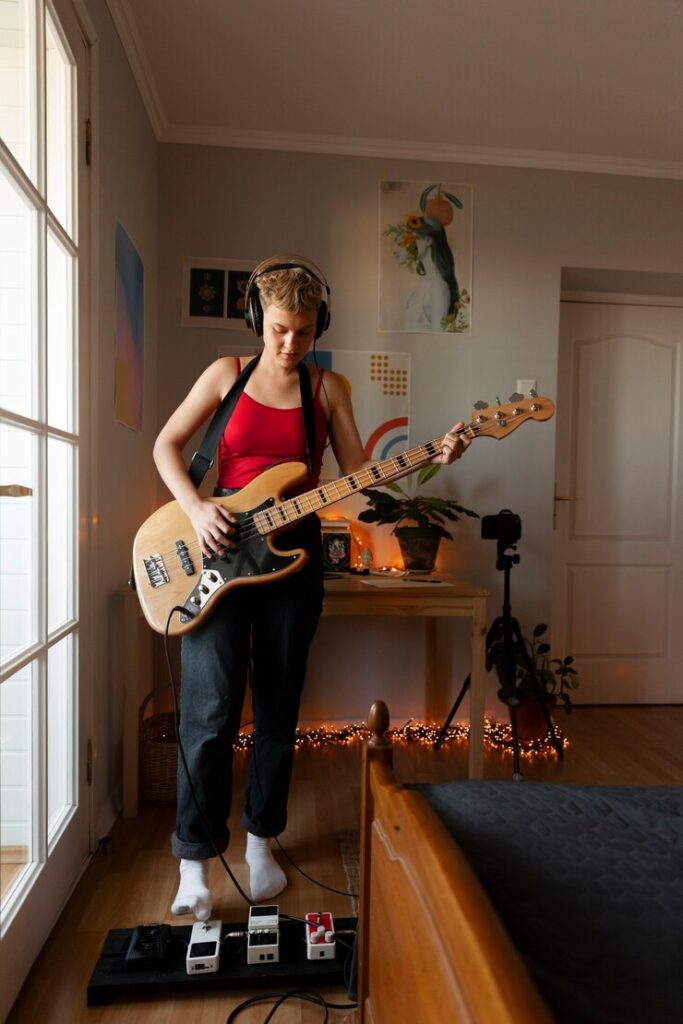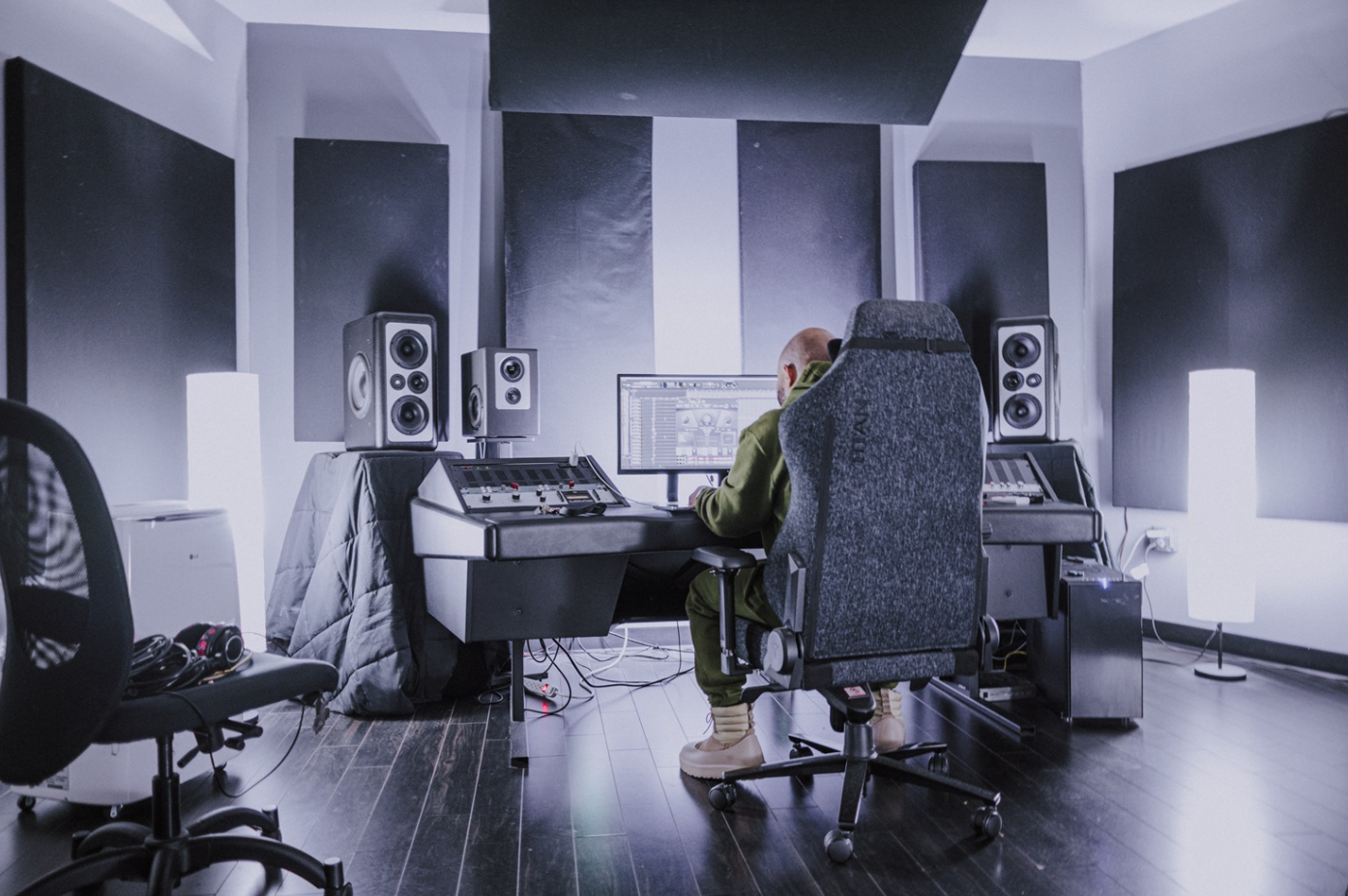
The music we love, from chart-topping hits to underground gems, doesn’t just come to life through the artist’s voice or the band’s instruments — there’s often an unsung hero behind the scenes: the studio engineer.
Their expertise shapes every note, beat, and harmony into a masterpiece that resonates with audiences. In this article, we dive into the critical, technical, and creative role studio engineers play in the recording industry.
What Does a Studio Engineer Do?
A studio engineer is responsible for the technical aspects of recording, mixing, and sometimes even mastering music. They work closely with artists and producers to ensure the sound quality is pristine and the final product aligns with the artistic vision. But their role goes far beyond just pressing “record.”
They control soundboards, manage microphone placement, and optimize acoustics to create a sonic environment where artists can shine. This demands both artistic intuition and deep technical knowledge. In many ways, they act as both technicians and sound sculptors.
The Studio Engineer’s Toolbox: Skills and Equipment
Studio engineers blend art and science, and their gear reflects that hybrid nature. They use a wide range of tools, such as:
- Digital Audio Workstations (DAWs) like Pro Tools, Logic Pro, or Ableton Live for editing and mixing.
They also work with analog equipment such as compressors, EQs, preamps, and mixing consoles. Understanding the strengths of each tool allows an engineer to bring out the best in a performance.
Essential Skills Every Studio Engineer Needs:
- Technical Proficiency – Mastery of audio software and hardware is non-negotiable.
- Problem Solving – When something goes wrong in a session, the engineer must quickly troubleshoot.
- Communication – Engineers often act as liaisons between the creative and technical sides.
- Attention to Detail – Even the smallest frequencies can impact the overall sound.
The Psychology of Sound Engineering
While the job may seem purely technical, successful studio engineers must also understand human emotion and creative psychology. They create a comfortable and inspiring studio environment, helping artists perform their best. Sometimes, just adjusting the lighting, suggesting a vocal warm-up, or offering calm encouragement can make all the difference in a session.
In many sessions, an engineer’s ability to “read the room” is just as valuable as their EQ techniques.
From Tracking to Mastering: The Workflow of a Studio Engineer
The engineer’s role evolves throughout the recording process:
- Pre-Production & Setup
Before any artist enters the booth, the engineer preps the studio, checking all equipment, ensuring software compatibility, and sometimes helping choose microphones and instruments.
- Tracking (Recording)
During this phase, the engineer captures raw performances. Precision here is crucial — mic placement, gain staging, and ambient noise control can all affect the take.
- Mixing
Once all the tracks are recorded, the mixing process begins. Engineers balance levels, apply effects, pan instruments, and sculpt frequencies to ensure each element has its place.
- Mastering
Sometimes handled by a dedicated mastering engineer, this final step prepares the track for distribution, making sure it sounds great across all playback systems.

The Growing Demand for Studio Engineers
With the explosion of home studios, podcasts, and independent artists, demand for skilled studio engineers has never been higher. Whether working in state-of-the-art studios or collaborating remotely, today’s engineers must be versatile, adaptive, and always learning.
Conclusion: The Invisible Hand That Shapes the Sound
The music industry is driven by creativity — but it is sustained by technical mastery. The studio engineer may not be front-and-center on stage, but their influence is felt in every beat and melody we hear. As music evolves with technology, so does the role of the studio engineer, making them more indispensable than ever.
So next time a song gives you goosebumps, remember the quiet genius behind the scenes who helped make it possible.