Category: Music News

Stay up-to-date with the latest happenings in the world of music. From new album releases, artist announcements, and upcoming tours to industry trends and festival highlights, our Music News section brings you everything you need to know. Whether it’s breaking news about your favorite artists or insightful commentary on the evolving music scene, you’ll find all the essential updates right here.

  • The Silent Architect of Sound: Exploring the Role of a Studio Engineer 

    The Silent Architect of Sound: Exploring the Role of a Studio Engineer 

    The music we love, from chart-topping hits to underground gems, doesn’t just come to life through the artist’s voice or the band’s instruments — there’s often an unsung hero behind the scenes: the studio engineer.  

    Their expertise shapes every note, beat, and harmony into a masterpiece that resonates with audiences. In this article, we dive into the critical, technical, and creative role studio engineers play in the recording industry. 


    What Does a Studio Engineer Do? 

    A studio engineer is responsible for the technical aspects of recording, mixing, and sometimes even mastering music. They work closely with artists and producers to ensure the sound quality is pristine and the final product aligns with the artistic vision. But their role goes far beyond just pressing “record.” 

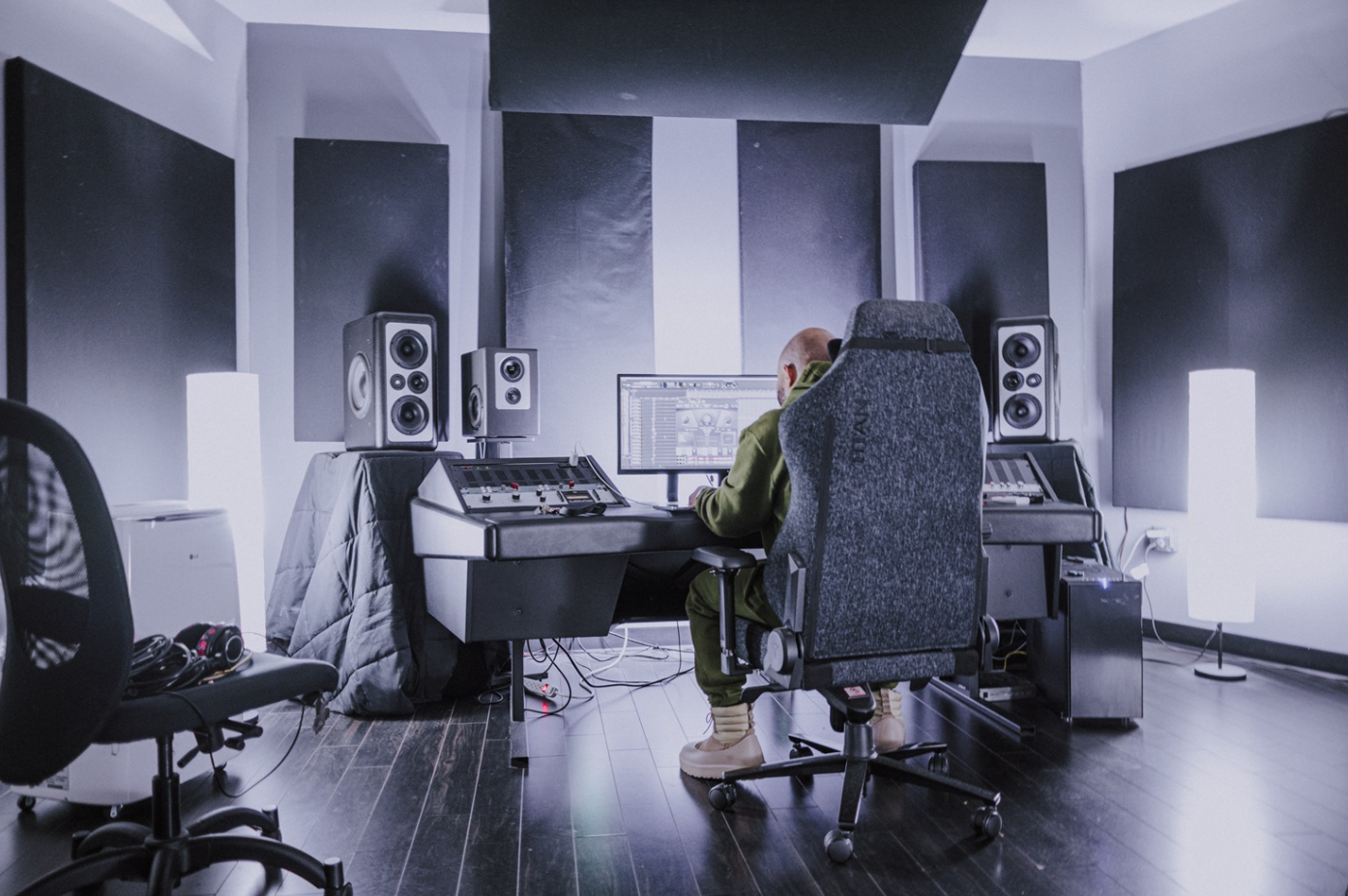
    They control soundboards, manage microphone placement, and optimize acoustics to create a sonic environment where artists can shine. This demands both artistic intuition and deep technical knowledge. In many ways, they act as both technicians and sound sculptors. 


    The Studio Engineer’s Toolbox: Skills and Equipment 

    Studio engineers blend art and science, and their gear reflects that hybrid nature. They use a wide range of tools, such as: 

    • Digital Audio Workstations (DAWs) like Pro Tools, Logic Pro, or Ableton Live for editing and mixing. 

    They also work with analog equipment such as compressors, EQs, preamps, and mixing consoles. Understanding the strengths of each tool allows an engineer to bring out the best in a performance. 

    Essential Skills Every Studio Engineer Needs: 

    1. Technical Proficiency – Mastery of audio software and hardware is non-negotiable. 
    1. Problem Solving – When something goes wrong in a session, the engineer must quickly troubleshoot. 
    1. Communication – Engineers often act as liaisons between the creative and technical sides. 
    1. Attention to Detail – Even the smallest frequencies can impact the overall sound. 


    The Psychology of Sound Engineering 

    While the job may seem purely technical, successful studio engineers must also understand human emotion and creative psychology. They create a comfortable and inspiring studio environment, helping artists perform their best. Sometimes, just adjusting the lighting, suggesting a vocal warm-up, or offering calm encouragement can make all the difference in a session. 

    In many sessions, an engineer’s ability to “read the room” is just as valuable as their EQ techniques. 


    From Tracking to Mastering: The Workflow of a Studio Engineer 

    The engineer’s role evolves throughout the recording process: 

    1. Pre-Production & Setup

    Before any artist enters the booth, the engineer preps the studio, checking all equipment, ensuring software compatibility, and sometimes helping choose microphones and instruments. 

    1. Tracking (Recording)

    During this phase, the engineer captures raw performances. Precision here is crucial — mic placement, gain staging, and ambient noise control can all affect the take. 

    1. Mixing

    Once all the tracks are recorded, the mixing process begins. Engineers balance levels, apply effects, pan instruments, and sculpt frequencies to ensure each element has its place. 

    1. Mastering

    Sometimes handled by a dedicated mastering engineer, this final step prepares the track for distribution, making sure it sounds great across all playback systems. 

    The Growing Demand for Studio Engineers 

    With the explosion of home studios, podcasts, and independent artists, demand for skilled studio engineers has never been higher. Whether working in state-of-the-art studios or collaborating remotely, today’s engineers must be versatile, adaptive, and always learning. 


    Conclusion: The Invisible Hand That Shapes the Sound 

    The music industry is driven by creativity — but it is sustained by technical mastery. The studio engineer may not be front-and-center on stage, but their influence is felt in every beat and melody we hear. As music evolves with technology, so does the role of the studio engineer, making them more indispensable than ever. 

    So next time a song gives you goosebumps, remember the quiet genius behind the scenes who helped make it possible. 

  • The Timeless Power of Song-Lyrics:More Than Just Words

    The Timeless Power of Song-Lyrics:More Than Just Words


    Introduction: The Words That Make Music Memorable

    When we think of a great song, the first thing that often comes to mind is the melody. But listen closely, and you’ll realize it’s the song-lyrics that stay with us long after the music stops.

    Whether they’re poetic, raw, uplifting, or heart-wrenching, song-lyrics help us connect with music on a deeper level. They express what we feel, tell stories we relate to, and sometimes say the things we can’t put into words ourselves.


    Why Song-Lyrics Matter in Every Genre

    While beats and instruments create rhythm, it’s the lyrics that give a song purpose. Good lyrics can turn a simple tune into an unforgettable message. No matter the genre—pop, rock, soul, hip hop, or folk—lyrics shape how we interpret the sound and experience the emotion behind it.

    Here’s why song-lyrics are so powerful:

    ● They tell a story: From beginning to end, lyrics can build a narrative that listeners follow like a short story.

    ● They express emotion: Joy, sorrow, anger, love—lyrics are often a direct channel for feelings.

    ● They connect with listeners: People find pieces of their own lives reflected in the words.

    ● They shape a song’s identity: The same music can feel completely different with different lyrics.


    The Experience of Reading and Listening Together

    In today’s digital age, many platforms allow you to read song-lyrics while listening. This small feature can greatly enhance the listening experience. Seeing the words on screen helps us pick up on details we might miss just by hearing.

    Benefits of reading lyrics while listening include:

    ● Deeper understanding of meaning

    ● Increased emotional connection

    ● Improved appreciation for songwriting skill

    ● Greater attention to poetic and rhythmic structure


    The Art Behind Song-Lyrics

    Writing song-lyrics is its own form of creative expression. It involves finding the right balance between rhythm, rhyme, and message. While some lyrics are direct and simple, others use metaphors, symbolism, and layered meanings to communicate deeper ideas.

    A good lyricist knows how to say a lot in just a few words. Some songs are written in verses and choruses that build toward a powerful message, while others rely on repetition or minimal phrasing to leave an impact.

    Key elements that make song-lyrics stand out:

    ● Emotionally resonant themes

    ● Strong imagery and word choice

    ● Consistent flow and structure

    ● Originality and voice


    How Lyrics Evolve with Time

    Like language itself, song-lyrics evolve. As culture changes, so does the way artists express ideas through music. Lyrics from decades ago may focus on different themes, use different slang, or reflect different values than lyrics written today.

    But no matter the era, lyrics remain a mirror to personal and social experience. Whether they’re handwritten in a notebook or typed into a digital notepad, songwriters use lyrics to document emotions, questions, struggles, and triumphs.

    Some trends in lyric writing include:

    ● Simpler, catchier hooks

    ● More personal or introspective content

    ● Mixing languages or dialects

    ● Using repetition for emphasis and memorability

    Sound of music perforated paer musical note

    Tips to Appreciate Song-Lyrics More

    Want to connect more deeply with the lyrics of the songs you love? Here are a few easy ways:

    ● Read the lyrics separately: Focus on the words without the music first to understand their meaning.

    ● Look up background stories: Learn what inspired the lyrics or what message the writer was trying to share.

    ● Memorize your favorites: Carry them with you—reciting lyrics can be empowering or comforting.

    ● Write your own: Try creating your own lyrics to gain new appreciation for how challenging and rewarding it can be.


    Conclusion: Words That Stay with Us

    Music can move us—but it’s often the song-lyrics that make us feel seen, heard, and understood. They help us process moments in our lives, connect with others, and give voice to our thoughts.

    Next time you hear a song that resonates with you, take a moment to focus on the lyrics. Listen to the story, feel the message, and reflect on what it means to you. You might discover that it’s not just the melody that sticks—it’s the words that make it unforgettable.

    Song-lyrics are not just a part of music—they’re a powerful part of the human experience.

  • Without music, life would be a mistake

    Without music, life would be a mistake

    Music has an incredible ability to connect us to the deepest parts of our being, transcending time, language, and cultural boundaries. Friedrich Nietzsche’s powerful statement, “Without music, life would be a mistake,” underscores the profound impact that music has on our lives. It is not merely a form of entertainment, but rather a universal language that expresses our emotions, tells our stories, and brings meaning to our experiences. Imagine a world devoid of melodies, rhythms, and harmonies—silent, devoid of the emotional depth that music provides.

    Music serves as a companion in every phase of life, accompanying us during celebrations, comforting us in sorrow, and motivating us through challenges. It has the power to heal, inspire, and energize, serving as a therapeutic outlet for both the mind and soul. From classical symphonies to modern pop anthems, every genre offers something unique, resonating with different aspects of our emotions and personalities.

    Moreover, music plays a critical role in shaping culture and identity. It is an essential part of rituals, ceremonies, and movements, influencing society in ways both big and small. Without it, we would lose a significant part of our shared human experience.

    Nietzsche’s assertion captures the essence of why music is so vital: it enhances life, adding depth and vibrancy that would otherwise be missing. In its absence, life would undoubtedly feel incomplete, as music is, and always will be, an irreplaceable part of what it means to live.