Category: Music Culture & History

Explore the vibrant and ever-evolving intersection of music and society in our Music Culture section. From how music shapes cultural identities and influences fashion trends to its role in social movements and global connectivity, we dive deep into the cultural impact of music across the world.

  • Wedding DJs – Creating Moments That Last a Lifetime

    Wedding DJs – Creating Moments That Last a Lifetime

    When couples start searching for wedding djs, they’re not just looking for someone with speakers and a playlist. They’re looking for someone who understands how meaningful this day is. A wedding is emotional, joyful, and once in a lifetime. The right DJ helps bring all of those feelings together through music.

    From the ceremony processional to the final dance, timing is everything. A professional wedding DJ knows how to guide the evening so every moment flows naturally. Introductions feel exciting. Dinner music feels elegant. And when it’s time to celebrate, the dance floor comes alive.

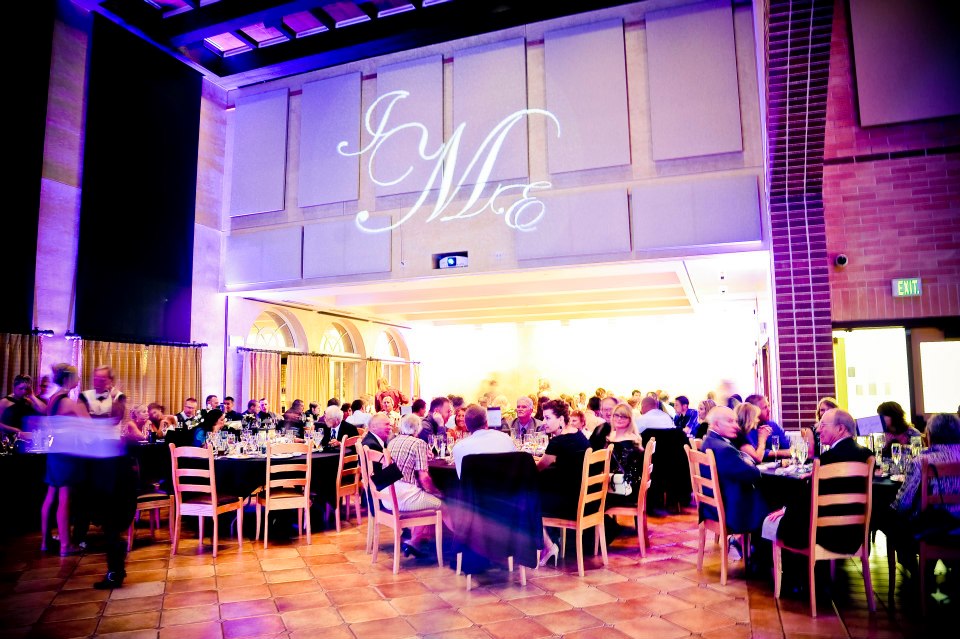
    Sound Master Entertainment proudly serves Castle Rock, Denver, Colorado Springs, and surrounding Colorado areas with organized, high-quality wedding entertainment.

    What Sets Professional Wedding DJs Apart?

    Experience makes the difference. Weddings require coordination with planners, photographers, and venue staff. A skilled DJ handles announcements clearly, keeps the timeline on track, and adjusts music based on the energy of the crowd.

    Preparation also plays a key role. Before the big day, couples can discuss must-play songs, special dances, and do-not-play lists. This planning ensures there are no awkward pauses or unexpected surprises.

    https://images.squarespace-cdn.com/content/v1/65ea2cc067bda71324974a6e/1709845751843-BVDKRA5A4CRPNK8Y21SB/fill-the-dance-floor-at-your-wedding.jpg

    Sound & Lighting That Elevate the Experience

    Clear microphones allow vows and speeches to be heard perfectly. Professional speakers deliver balanced music throughout the venue without distortion. Quality sound creates a polished atmosphere that guests truly appreciate.

    Lighting transforms the space. Soft uplighting adds warmth during dinner, while vibrant dance floor lighting brings energy once the celebration begins.

    Celebrate Without Stress

    When entertainment is handled professionally, couples can relax and focus on celebrating with family and friends. Reliability, organization, and attention to detail create peace of mind on such an important day.

    If you’re planning your big day in Colorado and searching for experienced wedding DJs who combine professionalism with energy, Sound Master Entertainment delivers unforgettable celebrations filled with music, joy, and lasting memories.

  • Fun and Educational Toddler Dance Classes for Young Kids

    Fun and Educational Toddler Dance Classes for Young Kids

    Early childhood is the perfect time to explore fun and creative outlets—and few activities combine physical movement, rhythm, and joy as well as toddler dance classes. These classes aren’t just about fun; they play a crucial role in a child’s physical, social, and cognitive development. Whether your child is naturally expressive or shy, dance can bring out the best in them by helping with coordination, balance, discipline, and even early musicality. In this article, we’ll explore why toddler dance classes are a fantastic choice for young kids and how to choose the right one for your little dancer.

    Why Choose Dance for Toddlers?

    Dancing is more than just adorable moments in tutu skirts—it’s a full-body learning experience that nurtures all aspects of development. Toddlers aged 2 to 5 are at a crucial stage in their growth where movement and interaction help build strong foundational skills.

    Physical Development

    Dance teaches toddlers basic motor skills like jumping, balancing, skipping, and spinning. It helps improve:

    • Gross motor coordination
    • Posture and muscle tone
    • Flexibility and stamina
    • Spatial awareness

    Emotional & Social Growth

    Dance allows children to express emotions through movement, helping them process feelings in a healthy way. It also supports:

    • Self-esteem and confidence
    • Cooperative play with peers
    • Listening and following instructions
    • Respect for personal space and others

    Cognitive Benefits

    Structured dance activities promote memory, pattern recognition, and focus—all skills that contribute to academic readiness. Rhythmic patterns also improve early math and literacy awareness.
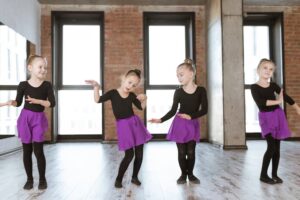
    dance classes for toddlers

    What to Expect in a Toddler Dance Class

    Toddler dance programs are designed to keep young children engaged and moving. Each session typically lasts 30 to 45 minutes and includes:

    • Warm-up and stretches
    • Basic ballet or creative movement steps
    • Fun dance games
    • Props like scarves, ribbons, or hoops
    • Cool-down and goodbye song

    Instructors are trained to balance structure and spontaneity, offering just enough direction while letting toddlers explore freely.

    Types of Dance Classes for Toddlers

    Many studios offer a variety of styles, even for young children. Here are the most popular options:

    ✅ Creative Movement: Focuses on free-form movement and rhythm. Great for beginners
    ✅ Pre-Ballet: Introduces fundamental ballet techniques in a playful format
    ✅ Tap for Tots: Kids love making sounds with their feet—it builds coordination and musicality
    ✅ Hip-Hop Tots: A fun, high-energy introduction to rhythmic movement
    ✅ Parent-Child Classes: Ideal for younger toddlers (18 months–3 years), these involve active participation by a caregiver

    Choosing the Right Dance School

    Not all studios are created equal, and finding the right environment is crucial. Keep these tips in mind when selecting a program:

    🔍 Check the instructor’s experience with young children
    📍 Choose a location that’s clean, safe, and welcoming
    📆 Ask about flexible scheduling or makeup classes
    👪 Look for small class sizes for more personal attention
    🎓 Inquire if the studio offers progression opportunities as your child grows

    Midway through your search, consider studios that specialize in dance classes for toddlers to ensure a curriculum designed specifically for that age group.

    Parent Tips for a Successful Dance Experience

    • Arrive Early: Give your toddler time to adjust to the studio space
    • Dress Comfortably: Follow the dress code—ballet slippers, leotards, or just stretchy clothes
    • Stay Positive: Encourage your child, but don’t pressure them to perform
    • Be Patient: Some kids need time to warm up to the class setting
    • Practice at Home: Play music and let them show you their moves—it builds confidence

    Long-Term Benefits of Dance

    Toddler dance sets the stage for future success in academics, athletics, and the arts. Many parents report that their children:

    • Gain better focus in school
    • Show improved listening and teamwork skills
    • Have higher levels of self-discipline
    • Stay active and healthy into their teen years

    Conclusion

    Enrolling your child in a quality toddler dance class is one of the best ways to support their growth during early development. It’s not only an enjoyable activity but also an investment in your child’s physical, emotional, and mental well-being. With the right program, your little one can build lifelong skills while having a blast in a creative and energetic environment.
  • The Ultimate Guide to Customized Scrub Caps: Personalize Your Professional Look 

    The Ultimate Guide to Customized Scrub Caps: Personalize Your Professional Look 

    In the world of healthcare, where functionality meets personal expression, customized scrub caps have become an increasingly popular trend. At Blue Sky Scrubs, individuality is celebrated by offering high-quality, comfortable, and stylish customized scrub caps. This guide explores the benefits and options available, showing why personalizing your scrub cap is a fantastic way to enhance your professional attire. 

    Why Choose Customized Scrub Caps? 

    Customized scrub caps provide a unique opportunity to showcase your personality while maintaining a professional appearance. Blue Sky Scrubs recognizes the importance of individuality and offers several ways to create a scrub cap that is uniquely yours. You can choose from thousands of fabrics to match your personality and coordinate with your favorite scrub sets, allowing you to reflect your style. Novelty fabrics allow you to display your hobbies and passions, making your cap a conversation starter. With various styles available, you can find a cap that fits comfortably and securely. A well-designed, personalized scrub cap adds a touch of sophistication to your overall appearance. 

    The Benefits of High-Quality Customized Scrub Caps 

    Investing in high-quality, customized scrub caps from Blue Sky Scrubs offers numerous advantages. Custom scrub caps keep hair contained, promoting a safer workspace. Made from 100% cotton, these scrub caps ensure breathability and comfort. The hand-made craftsmanship ensures your customized scrub cap withstands daily wear. A clean, well-fitted scrub cap enhances your professional image. 

    customized scrub caps

    Exploring Customization Options 

    Blue Sky Scrubs offers a wide range of customization options to make your scrub cap truly unique. Choose from an extensive collection of colorful and novelty fabrics. Select from different scrub cap styles, including bouffant, ponytail, or traditional caps. You can also add your name or initials through embroidery. 

    How to Design Your Perfect Scrub Cap 

    Designing your perfect scrub cap with Blue Sky Scrubs is a simple process: 

    1. Browse the extensive collection of fabrics. 
    1. Determine which scrub cap style suits your needs. 
    1. Opt for embroidery to add a personal touch to your cap. 
    1. Ensure all details are correct and place your order. 

    Complement your customized scrub cap with an extensive range of premium scrubs. Pair your unique cap with comfortable and stylish scrub tops and pants for a professional ensemble. 

    Conclusion 

    Customized scrub caps are more than just a functional accessory; they are a statement of personal style and professional pride. With Blue Sky Scrubs, you can design a scrub cap that reflects your unique personality while enjoying the comfort, durability, and hygiene benefits. Elevate your workwear with a customized scrub cap and experience the perfect blend of individuality and professionalism. 


  • From Beats to Roots: A Beginner’s Journey into Music Culture & History

    From Beats to Roots: A Beginner’s Journey into Music Culture & History

    Ever wondered why music makes us feel so much? Or how your favorite songs today are actually connected to sounds from thousands of years ago?

    Welcome to the world of Music Culture & History — where every beat, melody, and rhythm tells a story of human emotion, tradition, and connection.

    Whether you’re a student exploring music for the first time, a beginner curious about its origins, or a small business owner who plays lo-fi tunes in your café — this guide is your friendly walk through the magical timeline of music.


    Music: More Than Just Sound

    Music has always been more than entertainment. It’s been a way to:

    • Celebrate joy (weddings, festivals)

    • Express grief (funeral songs, sad ballads)

    • Unite people (national anthems, protest songs)

    • Communicate stories (folk music, tribal chants)

    From tribal drums in Africa to ragas in India, from Mozart’s symphonies to BTS’s global pop—music has shaped and reflected cultures around the world.


    A Quick Walk-Through Music History

     1. Ancient Times

    • Early humans used bones, stones, and animal skin drums

    • Music was deeply spiritual and tribal

    • Flutes made from bird bones are over 40,000 years old!

    2. Classical & Cultural Growth

    • In India: Ragas and devotional bhajans grew with traditions

    • In Europe: Think Beethoven, Mozart, and orchestras

    • China, Egypt, Greece – each had unique styles blending ritual and storytelling

    3. Modern Evolution

    • 1900s: Jazz, blues, and folk took over

    • 1960s–90s: The age of rock ‘n’ roll, hip-hop, Bollywood classics

    • 2000s onwards: Global fusion—K-pop, EDM, indie artists on YouTube

    📍 Real-Life Example:
    Riya, a college student, started listening to Indian classical music during study sessions. She found it improved her focus and connected her to her roots. Now she even performs ragas on Instagram reels!


    Music & Culture: The Deep Connection

    Every region, religion, and community has its own musical identity.

    Examples:

    • India: Folk songs during harvests, classical music in temples

    • Africa: Drum circles that communicate emotion and stories

    • America: Gospel from churches evolved into soul and R&B

    • Japan: Koto and Taiko drums in cultural ceremonies

    Music isn’t just an art form — it’s a living part of culture that evolves with people.


    Why Beginners & Students Should Explore Music History

    Here’s why learning about music’s past is a great idea:

    • Boosts creativity and appreciation

    • Helps in learning languages and cultural values

    • Inspires original content creation (perfect for creators, YouTubers, bloggers)

    • Great conversation starter in interviews or college discussions

    Bonus for Small Business Owners:
    Choosing culturally relevant background music can uplift your brand experience. A cozy café with indie or retro tunes can attract more customers!


    How to Start Exploring Music Culture (Even If You’re New!)

    Home Feel Aesthetic & Cozy

    • Listen widely: Don’t just stick to one genre. Try folk, classical, lo-fi, world music.

    • Watch music documentaries (on YouTube or Netflix)

    • Follow music history pages on Instagram or Reddit

    • Visit cultural events or local concerts

    • Try simple instruments (like ukulele, harmonium, or even mobile music apps)

    🎵 Small Step: Spend 10 mins this week listening to a music style you’ve never tried before. Write down how it made you feel.


    Final Notes: Music Connects Us All

    Whether you’re tapping your foot to a beat or sitting quietly with headphones in, music speaks directly to your soul. It’s a shared language that’s traveled through time, telling the story of who we were, who we are, and where we’re going.

    So, the next time you hear your favorite song—remember, it’s not just sound. It’s history. It’s culture. It’s you.

  • Music is a reflection of culture and history

    Music is a reflection of culture and history

    Music has always been more than just sound; it is a mirror that reflects the culture and history of the people who create it. Throughout time, music has served as a vehicle for expressing societal values, struggles, and triumphs, providing insight into the human experience. Each era, region, and community has its own unique sound that encapsulates its history and cultural identity. For instance, the blues originated as a form of expression for African American communities in the Deep South, capturing the pain, resilience, and hope of a people in the face of oppression. Similarly, protest songs during the Civil Rights Movement became anthems for change, expressing the frustrations and desires for equality that were deeply rooted in the cultural and historical context of the time.

    Music has also been instrumental in preserving cultural traditions. Folk music, for example, carries the stories, legends, and values of generations, passed down through songs that echo the experiences of ancestors. It not only entertains but also educates, teaching younger generations about their heritage. In addition, the global spread of musical genres like jazz, rock, and hip-hop shows how cultural exchange can influence and enrich different societies, blending histories and traditions into new forms.

    Ultimately, music transcends time and place, allowing us to connect with the past, understand different cultures, and reflect on the ever-changing world around us. It remains an invaluable testament to human history, capturing the emotions, stories, and identities that define each generation.