Jazz dance has dazzled audiences since the Roaring Twenties, but its energy and sophistication remain timeless. Whether you crave a fresh workout or a creative outlet, enrolling in a jazz class can unlock a world of movement, music, and self-expression. This complete guide explains what to expect, why jazz matters, and how to succeed—from your first plié to your final bow.
Jazz Dance at a Glance
Jazz grew out of African American vernacular dance, blossoming in New Orleans clubs before migrating to Broadway, Hollywood, and global studios. It marries syncopated rhythms with ballet technique, creating a blend of precision and improvisation that feels both disciplined and free. Today’s classes draw inspiration from pioneers like Jack Cole, Bob Fosse, and Luigi, while incorporating contemporary influences from pop, hip-hop, and lyrical dance.
Key Benefits of Studying Jazz
- Cardiovascular Fitness: Fast footwork and dynamic leaps elevate heart rate, making classes an enjoyable cardio alternative.
- Strength and Flexibility: Pirouettes, battements, and floor progressions build core, leg, and back strength while increasing range of motion.
- Musicality and Coordination: Students learn to sync sharp isolations with layered rhythms, refining timing and body control.
- Artistic Expression: Stylish lines, dramatic pauses, and theatrical flair encourage individuality and storytelling.
- Social Connection: Group choreography fosters teamwork, support, and lasting friendships.
Essential Elements of Technique
Warm-Up: Expect pliés, tendus, and isolations that prepare joints and muscles.
Across-the-Floor: Progressions such as jazz walks, chasse-pas de bourrée, and barrel turns test balance and alignment.
Center Work: Combinations blend kicks, turns, and stylized arms into musical phrases.
Cool-Down: Gentle stretches prevent injury and reinforce flexibility.
Posture and Alignment
Jazz places emphasis on a strong, lifted torso with engaged abdominal muscles. Shoulders relax down the back, while knees track over toes during pliés. Mastering this neutral stance safeguards joints and sharpens overall presentation.
Isolations and Syncopation
Unlike ballet’s continuous flow, jazz highlights isolated movements—rib slides, head rolls, and pelvic tilts—that accent beats between beats. Practising drills to metronome patterns improves precision and flair.
Choosing the Best Class for You
Level Assessment: Studios generally list beginner, intermediate, and advanced options. Beginners focus on fundamentals like jazz squares and simple turns, while advanced dancers tackle intricate footwork and complex musical phrasing.
Instructor Background: Look for teachers with professional performance credits or pedagogy certificates. A knowledgeable coach will offer historical context, technical corrections, and constructive feedback.
Atmosphere and Values: Some programs emphasize competition and performance, others stress recreational fun. Sample a trial lesson to gauge vibe, music choice, and community spirit.
Schedule and Commitment: Steady weekly attendance ensures muscle memory and confidence grow in tandem. Consistency trumps occasional workshops when building foundational skills.
Exploring Varied Jazz Dance Styles
Broadway Jazz: Inspired by musical theatre, focusing on storytelling and character work.
Fosse-Style Jazz: Defines movement with angular shapes, turned-in knees, and signature hand gestures.
Lyrical Jazz: Blends emotive contemporary movement with jazz roots, often set to ballads.
Commercial Jazz: Seen in music videos and concerts, integrating hip-hop and street flair.
Latin Jazz: Combines salsa and samba footwork with classical jazz lines, producing vibrant rhythm and hip action.
Mid-way through your training, you may gravitate toward a particular jazz dance style. Experimenting keeps practice fresh and broadens your versatility, whether aiming for stage roles, competition routines, or personal enrichment.
Practise Smarter, Progress Faster
Set Specific Goals: Replace vague aims—“get better turns”—with trackable milestones like “complete a triple pirouette on both sides within three months.”
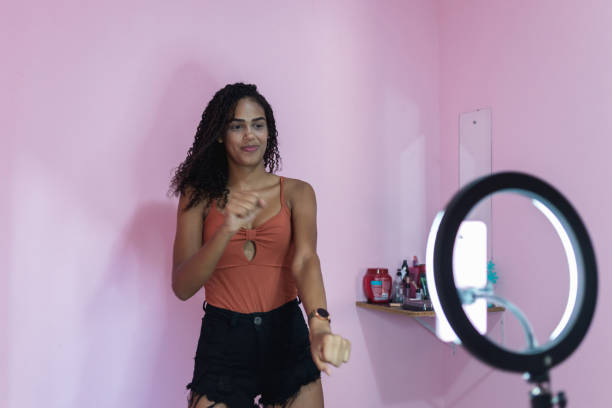
Record and Review: Filming rehearsals exposes alignment issues invisible in mirrors and helps track growth.
Supplementary Training: Pilates and yoga enhance core strength and flexibility; cardio sessions boost stamina for lengthy routines.
Mind the Music: Create playlists that alternate tempos (e.g., 100–140 BPM) to challenge quick shifts. Counting aloud or clapping accents reinforces rhythm retention.
Rest and Recovery: Adequate sleep and hydration rebuild muscle fibers and sharpen mental focus. Overtraining risks fatigue or injury.
Safety First: Preventing Common Injuries
Proper Footwear: Split-sole jazz shoes or dance sneakers provide traction and support without restricting articulation.
Floor Awareness: Wood or marley surfaces cushioning joints are preferable to concrete.
Incremental Stretching: Forceful splits can strain hamstrings; progress gradually, holding stretches 20–30 seconds without bouncing.
Listening to Your Body: Sharp pain signals the need to stop, rest, and consult a professional if necessary.
Jazz Dance for Every Age
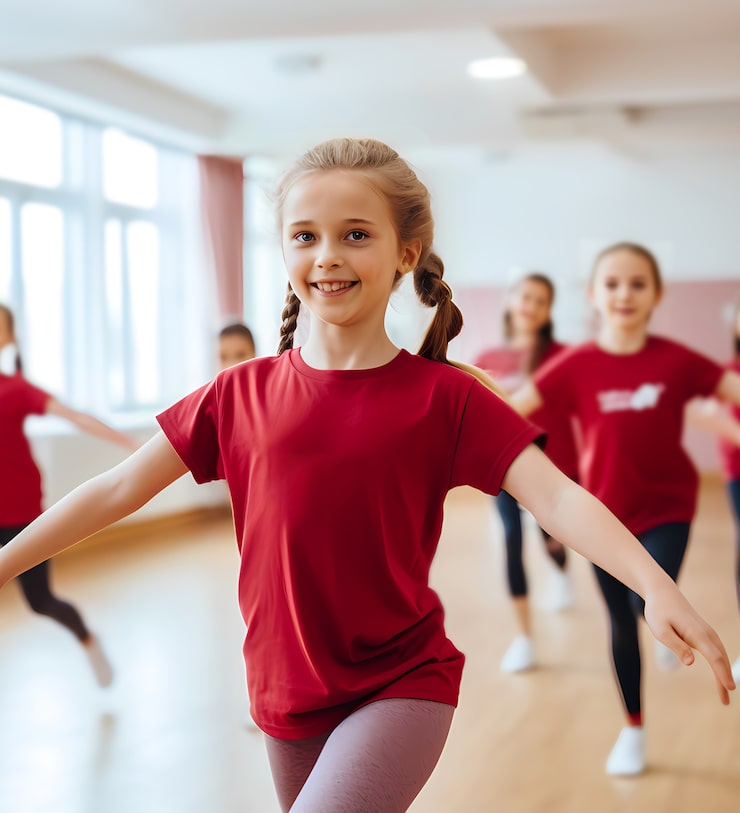
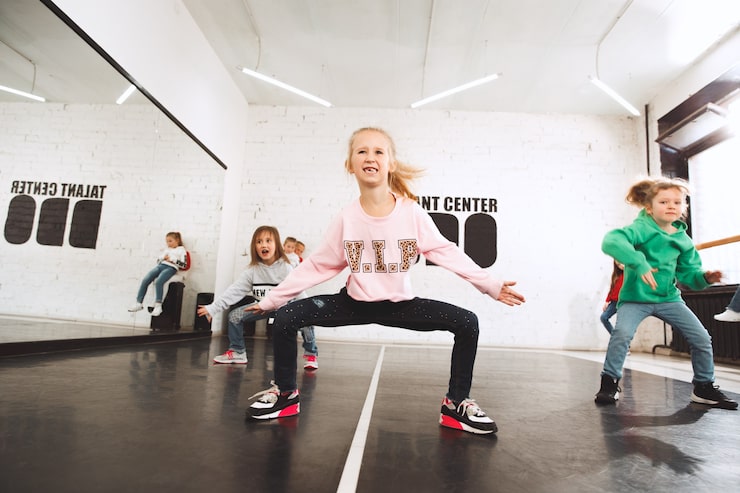
Children: Starting as young as five, jazz classes cultivate coordination, listening skills, and self-confidence. Exercises often incorporate playful imagery—“paint the sky with your toes”—to keep kids engaged.
Teens: Adolescents benefit from expressive choreography that channels emotion and builds identity, while demanding technique sharpens discipline.
Adults: Whether revisiting past training or beginning anew, grown-ups enjoy a fun workout that doubles as stress relief. Modified combinations cater to varying fitness levels without sacrificing artistry.
Seniors: Low-impact variations emphasize smooth transitions, gentle isolations, and musical recall that stimulates cognitive health.
Audition and Performance Tips
Research Requirements: Each audition lists mandatory skills—double pirouettes, high kicks, or a 30-second freestyle. Review criteria and rehearse targeted drills.
Dress for Success: Fitted attire reveals alignment; avoid baggy garments that obscure lines.
Stage Presence: Eye contact, facials, and committed energy often distinguish finalists when technical levels are comparable.
Adapt Quickly: Directors may change tempos or add counts on the spot. Practising improvisation cultivates composure under pressure.
Seek Feedback: Constructive criticism accelerates improvement. Keep a journal of notes and action plans to refine technique for the next opportunity.
Embracing Jazz Culture and History
Understanding jazz’s African American roots fosters respect and depth in performance. Listen to legends such as Duke Ellington and Ella Fitzgerald to appreciate original rhythms, then explore evolutions through Miles Davis and modern fusion artists. Reading biographies of choreographers like Katherine Dunham and Alvin Ailey enriches context and informs stylistic choices.
Summary: Step Into the Spotlight
Taking a jazz class offers far more than dance steps. It grants cardiovascular health, muscular strength, artistic freedom, cultural appreciation, and a welcoming community. By choosing the right level, practising mindful technique, and exploring diverse subgenres, you will gain confidence and creativity both on and off the dance floor. So lace up your jazz shoes, cue the brass section, and let each syncopated beat guide you toward new heights of expression.